How a Ligament Knee Brace Helps You Heal Faster After Injury?

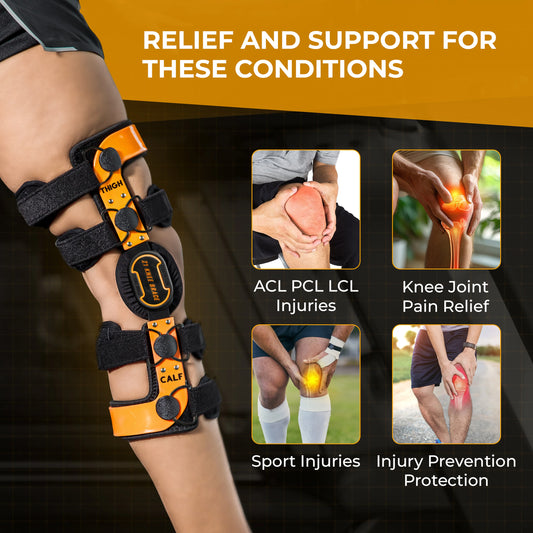
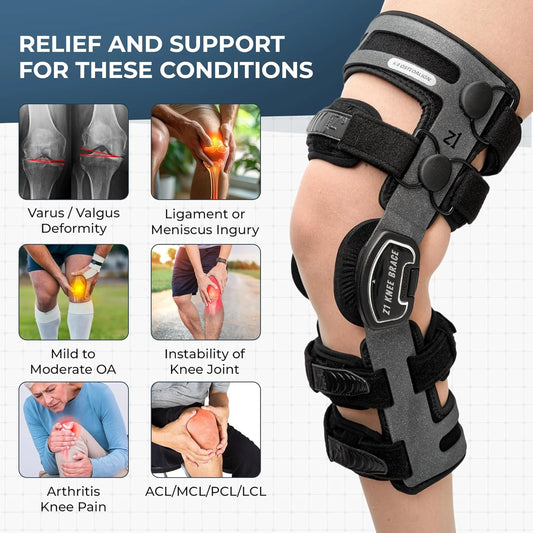
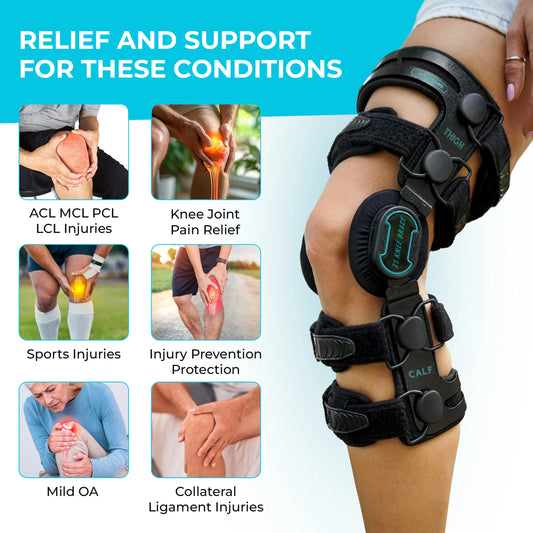
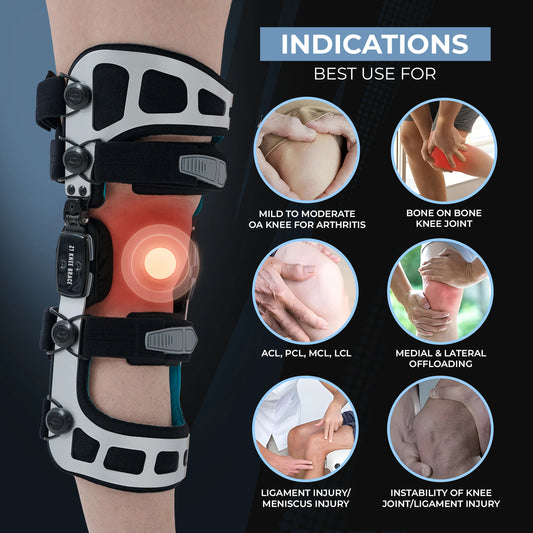
Ligament injuries are caused by the tough & fibrous bands that stabilize your knee joint. The knee has four ligaments - ACL, MCL, LCL, and PCL, which are responsible for performing different types of tasks. When any of your ligaments are injured then the common routine activities like - walking, standing, & bending become painful and difficult. Your knees get swelled, mobility is reduced, & movement is disturbed during weight-holding activities.
Most ligament injuries happen due to sudden twisting movements, slips, falls, missing a stair while stepping down can create enough damage to your knee ligaments. A ligament knee brace is an important orthopedic support equipment which stabilizes your injured knee, controlling movement, & protecting the healing tissues from further panic. The ligament knee brace provides relaxation to the injured knee & increases its safe mobility.
How a Ligament Knee Brace Speeds Up Healing? -
- A ligament knee brace helps your collagen fibres to realign properly and reduces micro-tears at the injury region. A brace is helpful in reducing unwanted movement.
- It stops the valgus/varus movement that has a bad effect on MCL or LCL injuries. It protects your healing tissues from unusual stress.
- A ligament knee brace shifts pressure from the affected area to the healthy parts of your knee. It prevents further cartilage tear & decreases inflammation.
- For ACL injuries, the ligament knee braces use forward tibial movement and for PCL injuries, these braces use backward tibial movement.
- A ligament knee brace also maintains proper joint mechanics and is also helpful in preventing compensatory damage.
- A ligament knee brace also improves blood circulation to injured tissues. The delivery of nutrients is also increased for repairing ligaments.
- A ligament knee brace for knee mobility is also helpful in quadriceps and hamstring weakening which is important for knee stability.
- If you are taking any other kind of physiotherapy & rehab exercises for your knee injuries, a ligament knee brace is helpful for better recovery.
When Should You Wear a Ligament Knee Brace for Knee Injuries? -
- In the condition of acute injury phase of ligaments to control their swelling and further damage.
- When physical activities like - walking, climbing stairs, standing for a longer period, heavy weight lifting becomes very difficult.
- If your knee buckles out during regular & daily activities then a ligament knee brace is a right option.
- During post-operative recovery phase & rehabilitation, there is a need to strengthen muscles. A ligament knee brace is always helpful in this phase.
- If a surgeon recommends you a ligament knee brace after performing knee surgery for more support.
- When the condition of ligament strain increases in the form of swelling, pain & discomfort, then you should opt ligament knee brace.
- If the ligament tearing problem is too severe and your doctor suggests you opt a ligament knee brace then you should definitely go for it.
Tips for Using a Knee Brace Effectively -
- Wear your knee brace to get the full support. It should not be too tight or loose, otherwise it can create problems.
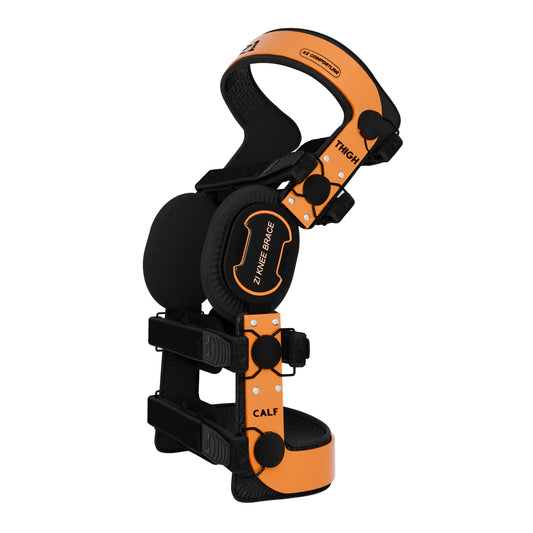
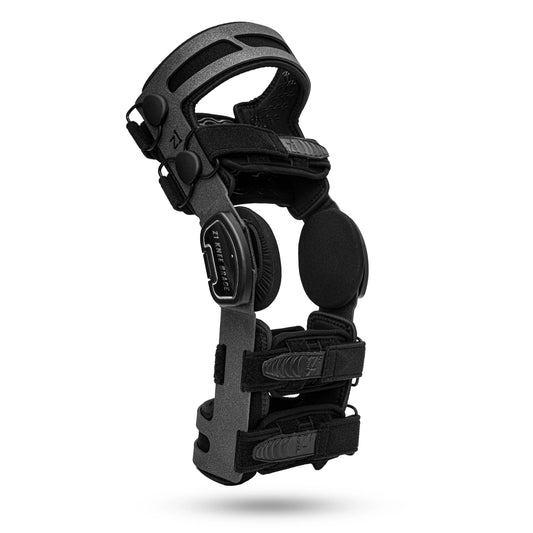
- Position your ligament knee brace properly so that the hinges can align your knee joint for maximum effect.
- Keep the straps of your knee brace snug. It should be fit but more comfortable for you to move.
- You are needed to wear the knee brace for all of your weight-lifting activities.
- You need to avoid wearing a ligament knee brace under thick clothes because the brace is slippery and reduces its grip.
- Combine your ligament knee brace with physiotherapy exercises for more effectiveness & mobility.
- If you are doing rest or relax, please put off your ligament knee brace to prevent stiffness.
- Clean your ligament knee brace regularly to stop sweat, odor, skin irritation. Use mild soap and let it dry in open air for more effective cleaning.
- Replace worn-out straps or padding as soon as you notice reduced support, slipping, or discomfort.
When to Avoid or Stop Using a Ligament Knee Brace? -
- If the brace increases pain, swelling, or discomfort after wearing it, you can avoid using it after consulting a doctor.
- When there is numbness, tingling, or restricted workflow due to poor fitting, you can avoid wearing it.
- If you feel like redness, rashes, & pressure sores developed on your knee then you can discontinue using the ligament knee brace.
- If your ligament knee brace becomes damaged or broken, you can discontinue it or buy another one.
- When your physiotherapist or doctor advises you to not use a ligament brace especially after a certain period of time.
- If your muscles weaken over time after wearing braces instead of improving their strength, you can surely discontinue it.
- If you perform high impact physical activity due to any reason please don’t use the ligament knee brace at that time.
Final Thoughts -
Recovering from a ligament injury can be a short to long term process which can be very time consuming and costly. A ligament knee brace helps you recover from your ligament injuries - joint stabilization, preventing harmful movements, & reducing stress on injured stress. The ligament knee brace also helps in ligament repairing in a safe & predictable way.Using a knee brace maintains your knee mobility & you can stay safe in a range of motion. It also improves blood flow, reduces stiffness, & supports functional recovery. If properly combined with the physiotherapy, strengthening exercises, & proper medical guidance, a ligament knee brace can help you in getting back on your feet.
Ultimately, a ligament knee brace is helpful in bridging between injury & full recovery, which helps you in getting confidence for proper movement without fear of any injury.