Common Knee Problems That Require a Knee Brace

Knee pain for joint pain is a common issue these days because of bad lifestyle habits, natural aging, sports and other ligament injuries. Long sitting hours, no regular exercises, physical strain, sudden knee bending place a consistent level of stress on the knee joint. The wearing down of the knee because of cartilage cushioning makes the knee more sensitive to pain, inflammation & irritation.
Ignoring early signs of knee pain can damage your mobility in movement. The mild pain starting as occasional stiffness can progress into chronic issues like - joint instability, reduced range of motion, & osteoarthritis also. Delayed care can disturb your knee movement, increasing the level of injury, & making daily routine more difficult.
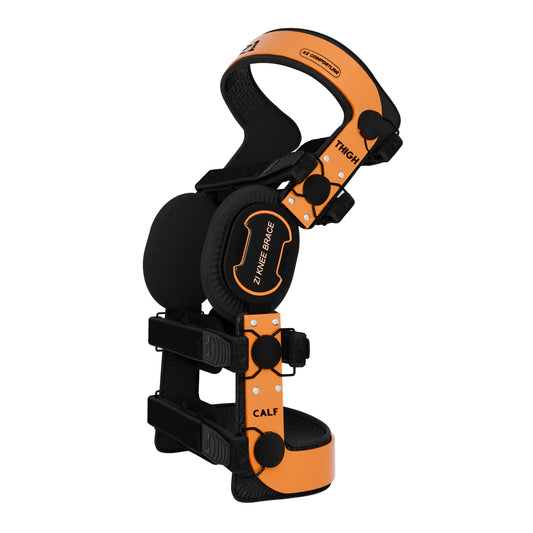
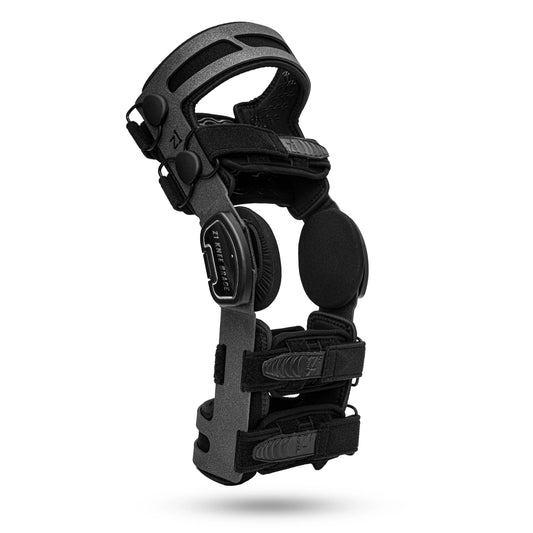
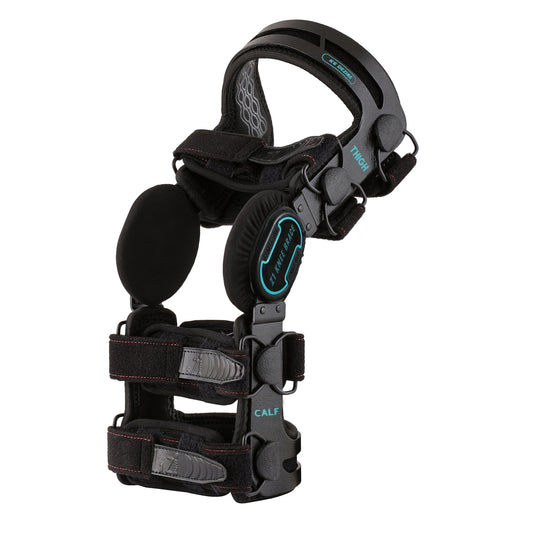
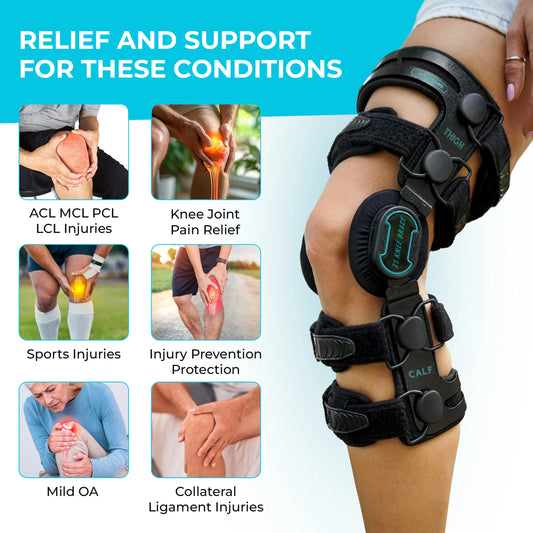
A proper functional knee brace can help in reducing pressure on injured areas, minimize pain & swelling, & protect the knee during recovery. By supporting proper alignment of the knee, limiting excessive motion, protecting the knee during activity for fast healing & safe movement.
Common Problems of Joints That Require a Knee Brace -
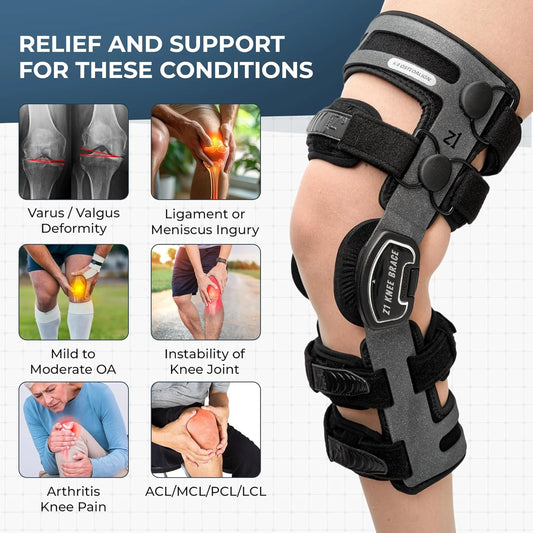
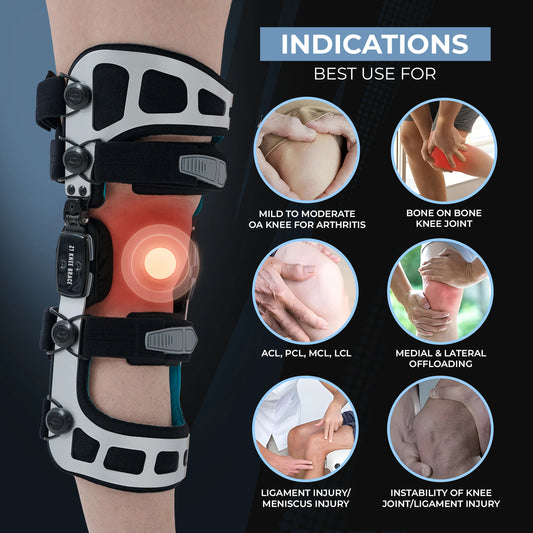
Knee Osteoarthritis -It is a degenerative joint condition in which the cartilage of the knee gradually wears down. With this, the bones start to rub with each other and increase the stress on your joint during walking. With the passing of time and age, the pain in the knee increases.
A knee brace is an ideal equipment for knee osteoarthritis, because it redistributes the load from the affected knee area. The knee brace also helps in controlling swelling, increasing knee stability, & inviting smoother movement. A knee brace also increases the proper movement patterns of your knee.
Ligament Injuries (ACL, MCL, LCL, PCL Injuries) -
Ligament injuries happen when the knee is forced beyond its normal limit of use. The reason can be anything like - sports, sudden twists, falls, activities, & accidents. Pain, swelling and inflammation are the common symptoms during direction changes.
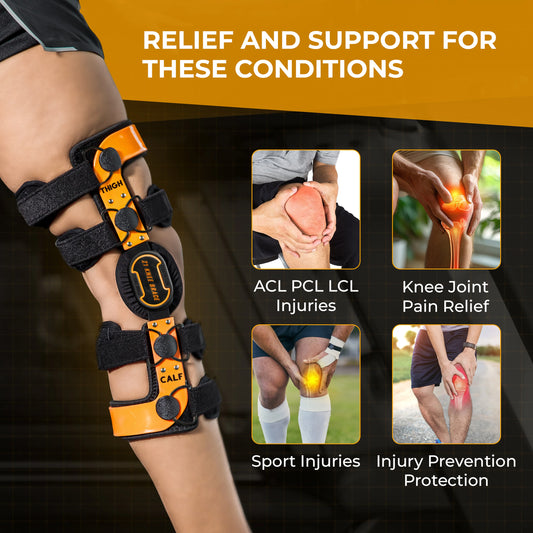
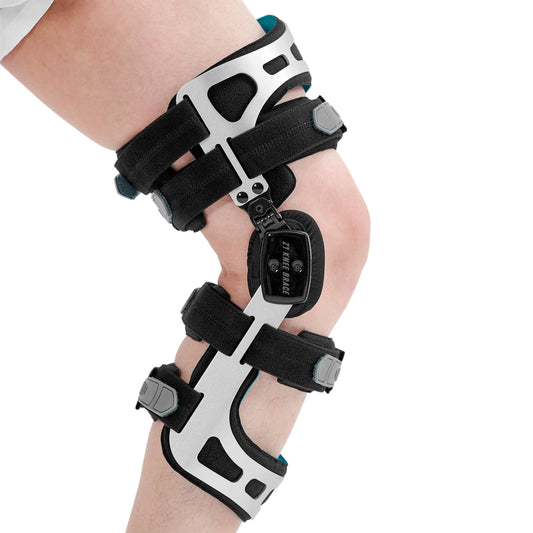
A knee brace is often required in ligament injuries because it compensates for the weakening ligaments. Especially hinged and offloader knee braces work to limit excessive forward, backward, and side-to-side movement. A knee brace reduces the strain on the healing ligament & promotes flexible movement.
Knee Strain & Sprain -
Knee strain & sprain issues occur because of the overstretching & tearing of the issues. These injuries occur due to sudden fall, improper weight lifting, slips & repeated stress. The symptoms include - mild pain, tenderness, & numbing of the knee.
A knee brace is helpful in reducing the effects of knee sprain & strain because it removes the weight from the damaged part of the knee to the healthy part. Lightweight & elastic knee braces are the ideal knee braces for this purpose. A knee brace allows the strained & sprained issues to heal properly and the pain of the knee is reduced.
Meniscus Tear -
A meniscus tear occurs due to sudden twisting, deep squatting, & direct impact. This injury can create pain, swelling, stiffness, & a feeling of locking in the knee. Continued movement can place additional stress on the meniscus cartilage and slows its healing process.
Supportive and hinged knee braces are considered the best braces of this problem. They reduce excessive rotation & sudden bending of the knee which protects the torn meniscus from further damage. The knee brace offers compression, which improves joint awareness & reduces swelling. A knee brace reduces the strain on the knee & they support recovery to prevent further injury.
Patellar Tracking Disorder -
Patellar tracking disorder happens when the kneecap moves out of its normal alignment. It causes pain & knee instability. It doesn’t glide smoothly within the range of the thigh bone. This disorder is caused by muscular imbalance, tight ligaments, flat feet, previous joint injuries, structural alignment issues.
A knee brace for patellar tracking issue works for bringing back the patella into proper alignment. It also helps reduce the abnormal lateral support. This brace also helps in reducing pressure on cartilage, & promotes knee mechanics. It also works well with physiotherapy, muscle strengthening, & activity modification.
Post-Surgery or Post-Injury Recovery -
After a knee-surgery or injury, the knee becomes weak, unstable, and vulnerable to further damage. It occurs due to ACL/PCL surgery, meniscus repair, fractures, ligament tears, & sprain.
A knee brace works to stabilize the knee & saves it from further damage & injuries. Hinged braces limit the range of motion and allow the proper blood flow & reduce swelling. A knee brace works for speedy recovery & minimizes the risk of further complications.
Frequently Asked Questions -
Do knee braces really help in joint pain?Knee braces help in joint pain by offering support, stability, & compression to the knee joint. They are the best solution for the conditions like - arthritis, ligament injury, meniscus tear, & cartilage cushioning etc.
What is the difference between a knee brace and a knee support?
The main difference between a knee brace and a knee support is the level of stability they provide. A knee support is an elastic sleeve that offers mild compression & warmth in minor knee pain & stiffness. But the knee braces are useful in all kinds of mild to moderate knee & ligament problems.
What are signs that you need a knee brace?
If your knee feels fatigue, pain, inflammation, stiffness, inability to hold weight, taking longer to recover from strain and injury. If you feel the problems in climbing up & down stairs, standing & walking, then an ideal knee brace is helpful in solving all of these problems.
What is the #1 mistake that makes bad knees worse?
The #1 mistake in making bad knees worse is to ignore early joint pain & continue high physical activities without any treatment or support. It often leads to serious injuries which could be removed while taking proper rest & best knee support.
What do doctors recommend for knee pain?
Doctors recommend a mix of exercises, therapy, knee braces, compression sleeves, lifestyle changes to reduce & remove knee pain.
What is the best treatment for knee OA?
The best treatment for knee OA is to adopt a mix of medical, lifestyle, & conservative approaches. Weight management and exercises, supportive devices like - knee braces and insoles to improve alignment & reduce stress on your joint. Physiotherapy can also help in restoring functionality & knee mobility.
Final Thoughts -
Common knee & joint problems like - Knee Osteoarthritis, post-injury & surgery, patellar tracking, muscular & ligament tear affect the individuals of all ages & activity level. Understanding these issues are necessary to understand ASAP because today’s mild pain & issues can be converted into big problems of tomorrow.Knee braces are a non-invasive solution for managing different knee problems. They provide targeted compression, alignment & stability without the risk of medications & heavy operations & surgeries. Informed selection & expert advice are necessary to take the maximum benefits from a knee brace.
Using a perfect knee brace as per according to your level of instability & injury, you can get rid of pain & inflammation easily. It gives you better outcomes & maintains an active lifestyle.