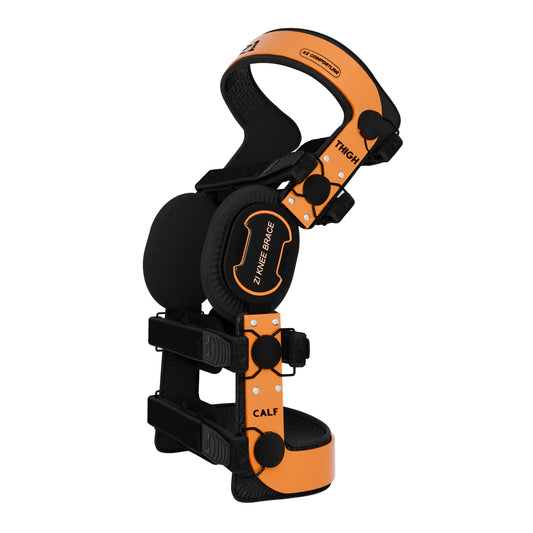
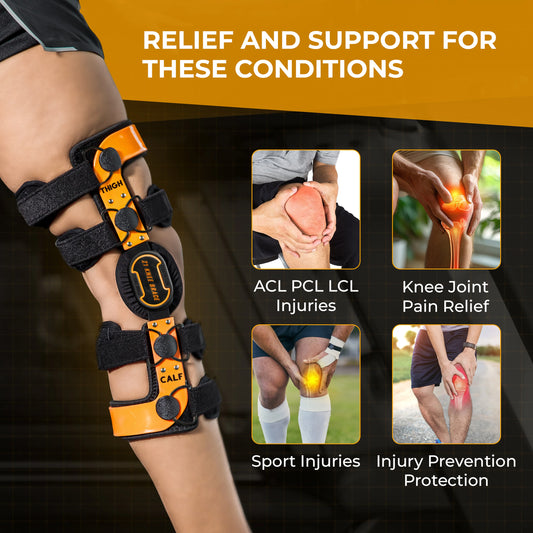
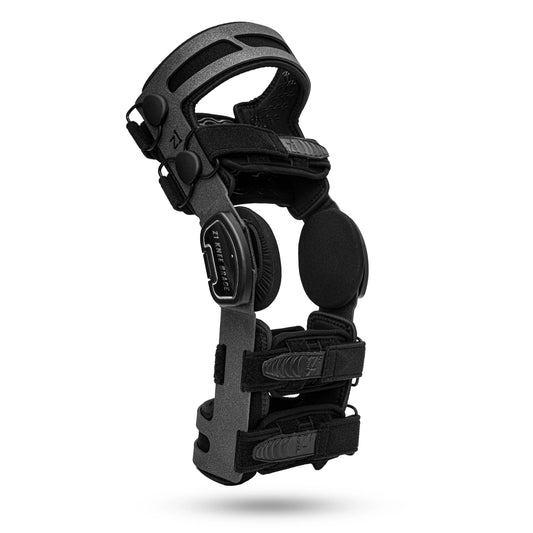
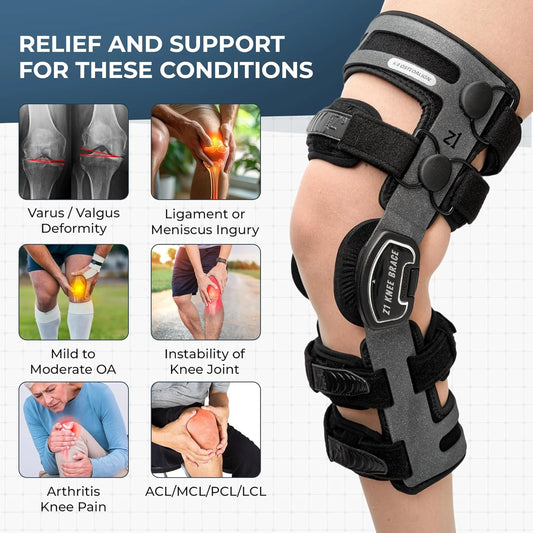
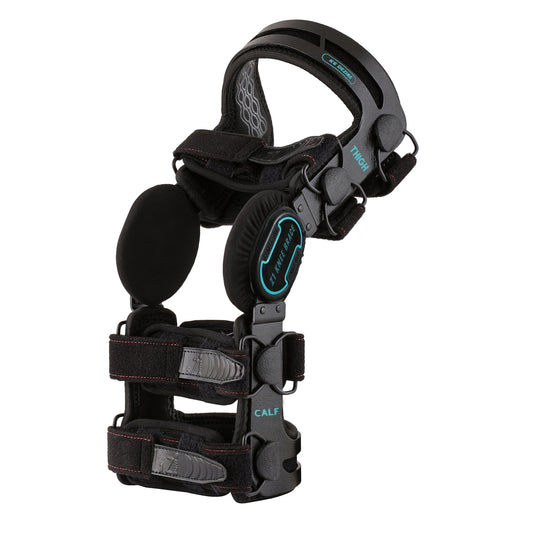
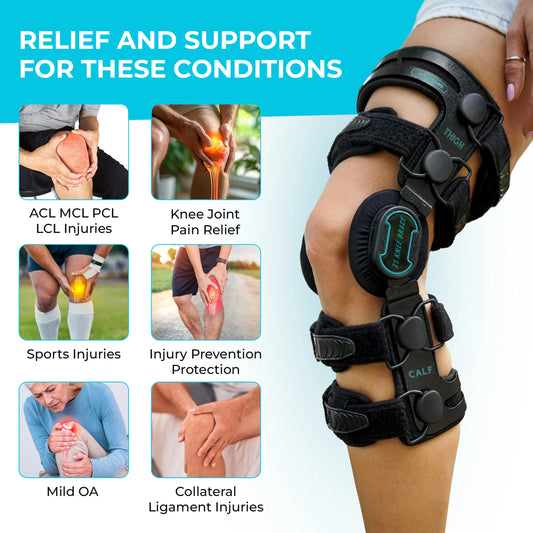
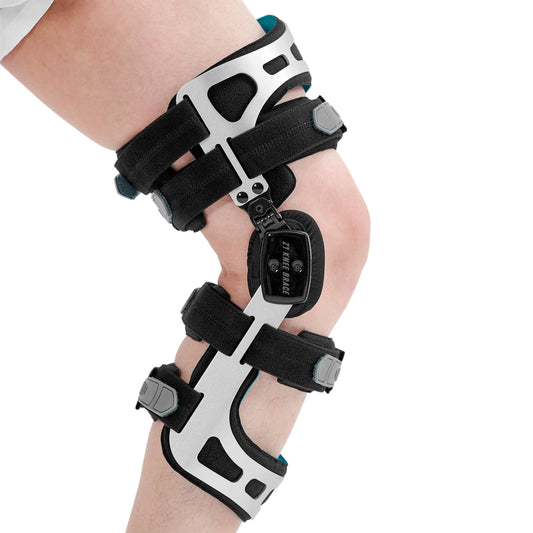
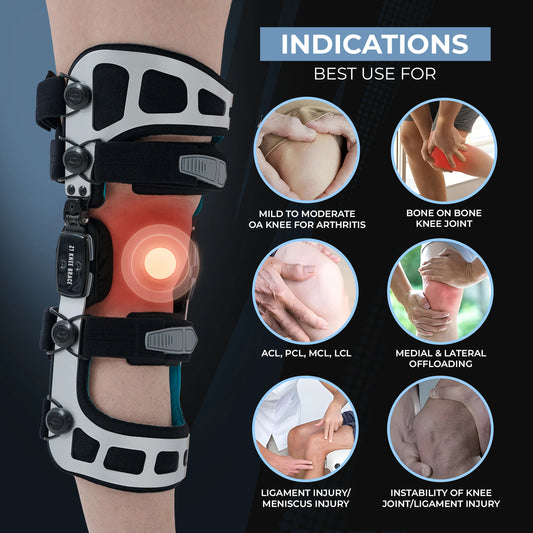
Hinged Knee Brace for Meniscus Problems

The meniscus is a C-shaped piece of our cartilage located in between the thigh and shin bones of the knee. Each knee has two meniscus - medial on the left side and the lateral on the right. The meniscus absorbs the shocks on the knee and distributes load & pressure across the knee joint.
Why Do Meniscus Problems Occur? -
Meniscus problems occur when the sudden twists, a fall, gradual wear, and tear happens. Common symptoms include knee pain, swelling, stiffness, difficulty in bending the knee, & squatting challenges. Common problems are -
Meniscus Tear -
A tear occurs when the knee gets sudden twisting forcefully while the foot remains planted.
Degenerative Changes -
The meniscus can become weaker with time as it naturally changes with the time.
Medial Meniscus Injury -
Damage or injury to the inner side of the meniscus.
Lateral Meniscus Injury -
Damage or injury to the outer side of the meniscus.
Meniscus Flap -
Some meniscus tears create unstable pieces of tissues which create interruption in normal knee movement.
How does a Meniscus Problem Affect Knee Stability?
The meniscus works to distribute knee weight, absorbs shocks, & improves knee stability. Meniscus damage leads to uncontrolled knee movement and affecting the movement patterns like - changing direction, twisting & bending the knee. With the passing of the time, your knee starts to get weak especially when your ligaments become intact.Severe meniscus damage also leads to swiftness and swelling of the knee. It naturally reduces the everyday range of motion and movements get less controlled. Some meniscus problems also lead to sensations like - catching, locking, clicking, bending & straightening of the knee.
How does a Hinged Knee Brace Help in Meniscus Problems? -
A hinged knee brace can definitely help in meniscus problems by providing stability and stopping side-to-side movement. Its metal hinges provide a controlled range of motion, and reduce stress on the injured meniscus. However, a hinged knee brace should be part of the cohesive treatment plan. It is not a complete solution.Hinged Knee Brace for Meniscus Irritation -
Meniscus irritation can make everyday movements and activities very difficult. Common signs of this irritation are - pain along the outer & inner part of the knee, mild swelling, bending or twisting discomforts, weakness of knee, pain after prolonged walking. Hinged knee brace provides extra support during walking and other activities. It is light and more flexible which is suitable for mild discomfort & general support.
Hinged Knee Brace for Meniscus Tear -
A meniscus tear can happen due to walking, climbing stairs, sudden fall, and squatting. Depending on the type and severity of the tear, the knee may feel pain, stiffness, swelling, & difficulty to move. A hinged knee brace provides more structured support than a standard compression sleeve. A hinged brace helps in twisting, pivoting, & side-to-side movement by providing additional support.
Hinged Knee Brace for Degenerative Problems -
Degenerative knee problems like - osteoarthritis can affect mobility & comfort during walking. Depending on the design, the hinged knee brace guides your knee movement and distributes forces around the knee. This can be very much useful when the knee becomes more vulnerable to certain movements.
Hinged Knee Brace for Meniscus Rehabilitation -
A hinged knee brace can be used for meniscus rehabilitation when the knee requires additional support and stability after a surgery. Here, the purpose of using the hinged knee brace is not to restrict knee movement but to return the strength, mobility, and confidence. The hinged knee brace does not replace the torn meniscus but should be used as a helpful supplement.
Bucket-Handle Meniscus Tear -
In this type of meniscus tear, a part of the meniscus moves toward the center of the knee. This displaced fragment causes locking, catching, inability to fully straighten the knee. The hinged knee brace can help when the patient is not doing more physical activity.
Meniscus Tear with Swelling -
In the case of swelling, the knee becomes tight, heavy, and difficult to move. The swelling can also change the way your brace fits on your knee. A hinged knee brace can provide external support if your knee also becomes unstable and stiff. The brace does not compress the swelling away.
How to Choose a Hinged Knee Brace for a Meniscus Problem? -
There are many criterias which you can follow to choose a hinged knee brace for your meniscus problem -- Identify the type of meniscus problem because everyone has a different need for the hinged knee brace.
- If your main problem is the instability with the knee pain, then a hinged knee brace is a good option to choose.
- Adjustable or motion-control hinges can be helpful if your rehabilitation program has some restrictions on knee movement.
- Choose the knee brace according to your everyday routine. A brace ideal for everyday walking may not be suitable for physically demanding work.
- Breathable materials, adequate padding, secure straps, and a lightweight knee brace is easy to wear for a longer period.
- If your meniscus has been repaired, just consult your doctor for deciding the knee brace for weight bearing activities & range of motion.
Frequently Asked Questions -
Can a hinged knee brace help a meniscus tear?A hinged knee brace does not repair or heal the torn meniscus at all. It helps in providing external support and managing the movement. A hinged knee brace is especially useful if your knee feels giving away, or very uncomfortable during walking, bending, or certain movements.
Can you walk with a meniscus tear and a hinged knee brace?
Yes, it is possible to walk with a hinged knee brace if you are facing meniscus problems. It depends on the severity of injury and the level of pain you are suffering. However, walking should be limited if the problem of meniscus increases.
Should you wear a hinged knee brace all day for a meniscus problem?
A hinged knee brace is always helpful for you to manage the day-to-day activities but it is not necessary to wear the hinged knee brace for the whole day. For a meniscus tear, it is not recommended to become dependent fully on the brace.
How tight should a hinged knee brace be?
A hinged knee brace should be snug but not painfully tight. It should remain the same in a position that you can wear with full comfort without getting it slid down. Excessive tightness leads to uncomfortable knees and becomes an interruption in normal circulation & movement.
Final Thoughts -
A meniscus problem can affect your knee and daily life. Consistent severe pain can cause irregularities in your daily life. The selection of the right hinged knee brace depends on the type of meniscus problem. Someone suffering from mild discomfort may have different braces than someone suffering from significant meniscus tear.A hinged knee brace can’t heal the torn meniscus but rather it is a supportive tool. You also need a proper treatment and recovery plan for proper removal of the problem. Comfort and fit are also equally important factors before buying a hinged knee brace.
For buying the perfect hinged knee brace for your needs, please visit - https://z1kneebrace.com/collections/knee-brace